
Material Selection for Heavy Industrial Castings: Carbon Steel vs. Stainless Steel vs. Ductile Iron
2026-06-27
Material Selection for Heavy Industrial Castings: Carbon Steel vs. Stainless Steel vs. Ductile Iron
Meta Description: A technical guide to selecting the right casting material for heavy industrial applications. Compare carbon steel, stainless steel, and ductile iron on mechanical properties, corrosion resistance, cost, and industry-specific performance requirements.
Every casting project begins with a single critical question: which material? The answer determines not only the part's in-service performance but also the casting process feasibility, machining strategy, heat treatment requirements, and ultimately the total cost of ownership. Yet material selection is often reduced to a cursory comparison of tensile strength and price — a mistake that can cascade into premature failure, warranty claims, and production downtime.
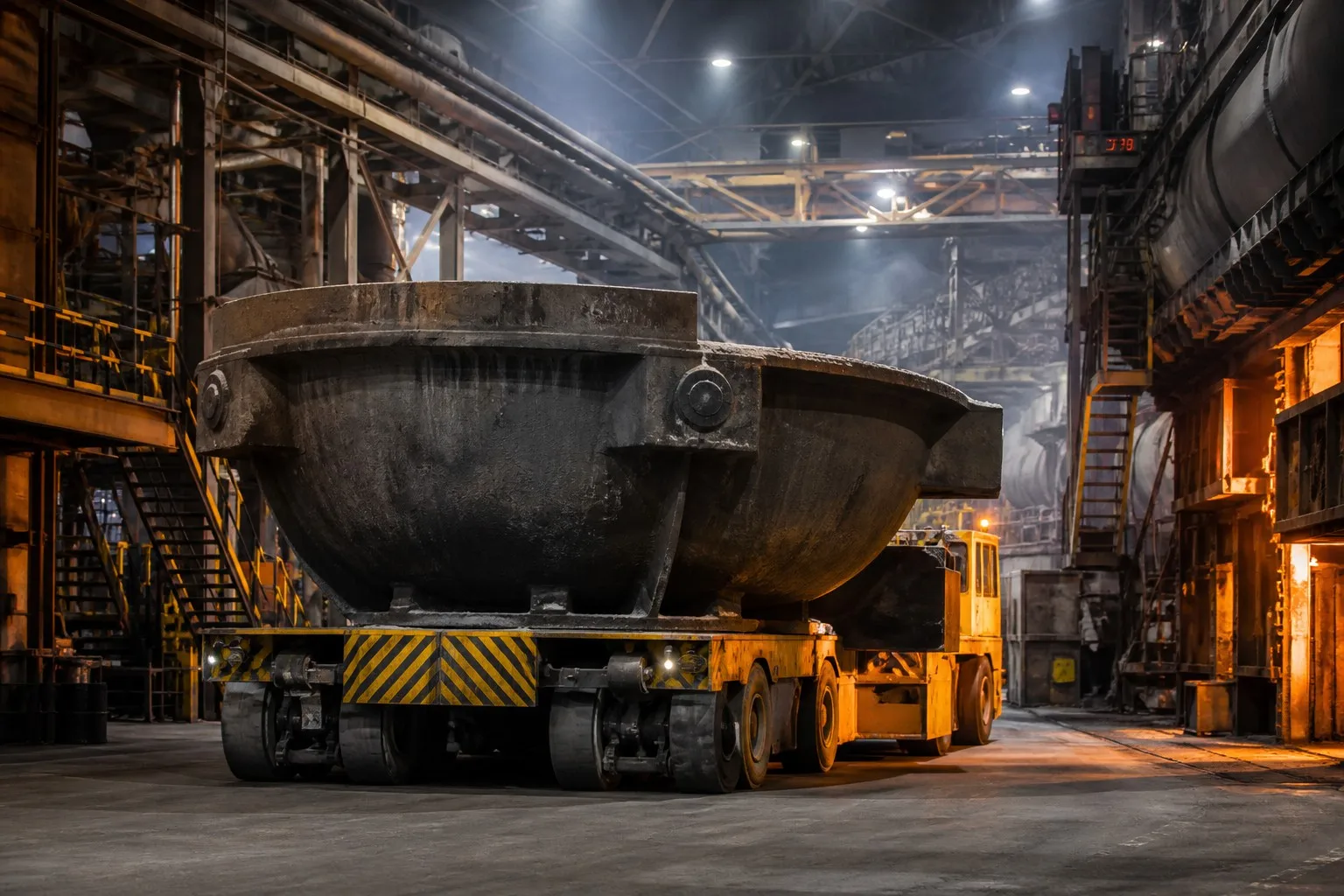
This technical guide provides a structured, engineering-level comparison of the three most widely specified material families for heavy industrial castings: carbon steel, stainless steel, and ductile iron. We examine their metallurgical foundations, mechanical behavior, processing characteristics, and real-world application profiles to equip engineers and procurement professionals with a rigorous selection framework.
The Metallurgical Foundations
Understanding the fundamental differences between these three material families begins with their chemical and microstructural identities.
Carbon Steel Castings
Carbon steel is an iron-carbon alloy where carbon is the primary alloying element, typically ranging from 0.15% to 0.60% by weight. The carbon content directly governs hardenability, strength, and weldability:
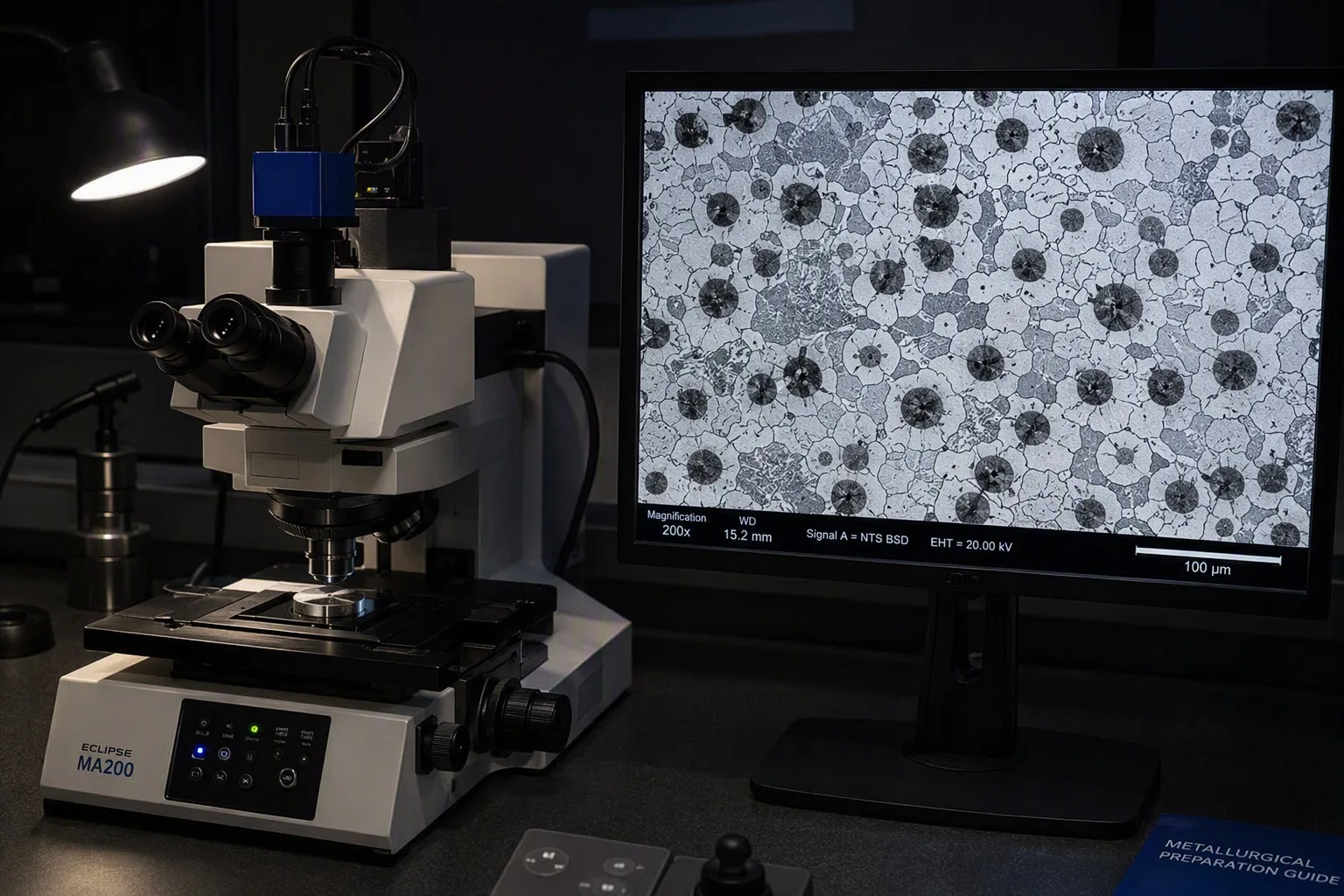
Microstructure: In the as-cast and annealed condition, carbon steels exhibit a ferrite-pearlite microstructure. With heat treatment (normalizing, quenching and tempering), the microstructure transforms to tempered martensite or bainite, dramatically increasing strength and hardness at the expense of some ductility.
Key characteristics:
- The workhorse of industrial casting — moderate strength, good weldability, acceptable cost
- Carbon content above 0.30% requires preheat before welding and post-weld heat treatment (PWHT) to avoid hydrogen-induced cracking
- Impact toughness drops sharply below the ductile-to-brittle transition temperature (DBTT), typically around 0 °C to -20 °C for standard grades; low-temperature grades (LCB, LCC) push this lower through controlled chemistry and fine-grain practice
- Susceptible to atmospheric corrosion; requires protective coating (painting, galvanizing) for outdoor or wet service
Stainless Steel Castings
Stainless steels contain a minimum of 10.5% chromium, which forms a self-healing passive chromium oxide layer on the surface. The three most commonly cast stainless steel families are austenitic, martensitic, and duplex.
Austenitic Stainless Steels (300 Series)
Micro
Products
Hot News
-
![Your Trusted Partner For Premium Cast Iron Bollards——Pengxin]()
Your Trusted Partner For Premium Cast Iron Bollards——Pengxin
-
![Surface Finishing and Protective Coatings for Metal Castings: A Complete Technical Guide]()
Surface Finishing and Protective Coatings for Metal Castings: A Complete Technical Guide
-
![How to Find a Reliable Cast Iron Washers Supplier in China]()
How to Find a Reliable Cast Iron Washers Supplier in China
-
![Sand Casting vs. Investment Casting vs. Shell Mold Casting: How to Select the Right Process for Your Industrial Components]()
Sand Casting vs. Investment Casting vs. Shell Mold Casting: How to Select the Right Process for Your Industrial Components
Contact Us
- Phone:+86 15941574876
- Fax:0415-7875330
-
Email:jackma@px-casting.com